• FB
  • Insta
  • Pinterest
  • X
  • TikTok
  • YouTube
  • Amazon
  • Home
  • About
  • Recipe
    Index
The Kitchen Whisperer
  • Tuesday’s
    Tips
  • Weekly
    Menu
  • Shop
  • Recipe Index
  • Shop
  • Weekly Menu
  • Tuesday’s Tips
Jun 19 2018

Bread Basics: Lean vs Enriched Dough

Find the recipe card at the end of the post. Make sure to read the content as it contains chef tips, substitution options, and answers to FAQs to help you succeed the first time around!

Posts may contain affiliate links that help enable me to continue to provide you with free recipes. As an Amazon Associate, I earn from qualifying purchases. Please see my Privacy Policy for details.

Baking bread is relaxing (and delicious!). Find out today the differences between Lean and Enriched Dough.

Last week I had the opportunity to be in Kansas and learn all about wheat and bread basics. Today I want to share with you some basic tips when it comes to dough and the breads they produce. Let’s look at Lean dough and Enriched dough. Do you know the difference? No? Maybe you know it like this  – soft bread and hard crusty bread. You certainly know the difference between those. Soft breads are those breads that we often use for sandwiches, babka, cinnamon rolls, brioche or even monkey bread. It’s has a soft, almost pillowy type interior with an equally soft crust.  Hard crusty breads are your french baguettes , pizza crust, or no knead crusty breads.

Last week, while in the baking class, we referred to these types of doughs by their culinary names – lean or enriched. So what’s the difference? I mean they all have flour, yeast, water and salt – what’s left? Plenty!

Lean Dough

A lean dough is a dough that is normally only 4 ingredients with little to no fat or sugar. Typically it’s just flour, salt, water and yeast. It can have sugar/honey or even oil in it (think perhaps pizza dough) but it’s such a small amount. What’s produced is a dough that, when baked, has a crusty exterior with an interior that is more airy (has some holes). The dough, when baked, has a hollow sound when baked. Crusty breads made with a lean dough are often ones you’ll see for pizzas, artisan breads, baguettes and so forth. These are typically used say for crostini, swooping up sauces at the bottom of your plate (mmmm love hot buttered crusty bread and pasta sauce!) or garlic bread for example.

Lean doughs aren’t mixed for long periods of time and often can be made with the “No Knead” method where you simply dump all of the ingredients in a bowl, mix and cover to ferment and rise.

Here are some of my lean dough recipes:
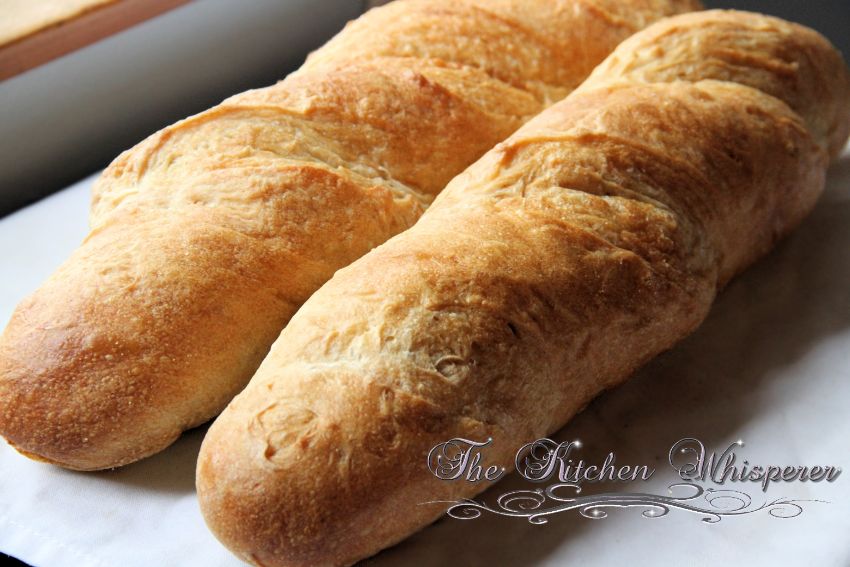
Crusty French Baguette

No Knead Artisan Bread

Simple Pizza Dough


Enriched Dough

An enriched dough starts off like a lean dough except it has a higher concentration of fats, sugar and dairy. This dough produces a super soft interior with a tender crumb. It’s often termed ‘billowy” as the dough is so soft that it just billows and pulls apart so tenderly. So why does the addition of fat or dairy to a dough make the outcome so much different from lean? Well, let me put my nerd glasses on and explain it. Fat, whether it’s from milk, butter or eggs, tenderizes the dough by coating and shortening the gluten strands. Fat also helps to retard the yeast activity requiring a longer fermentation time which ultimately leads to a dough with much more flavor. Now the difference is, by adding the fat, dairy, sugar to the dough, it tends to make the dough heavier. Ever had a cinnamon roll that was ginormous and you swear weighed 6 pounds? Well that’s because it’s made with an enriched dough.

To make enriched dough you have 3 different methods to mix it – straight, high fat or sponge.

  • Straight means you dump everything into the bowl at the same time and mix away. You would use this when your enriched dough doesn’t have a high percentage of fat.
  • Sponge means you begin by mixing the yeast with a small amount of flour, sugar, and liquid then you let it ferment for a short time before you mix in the rest of the ingredients. This allows the yeast to hydrate, not battle the sugar for water and helps develop flavor.
  • High Fat means you’ll start off with a sponge and then add all of the ingredients except the fat. You’ll knead the dough until the dough passes the windowpane stage (you’ll grab a small piece of dough and begin to stretch it out thin. You should be able to see through it similar to how you would look through a pane of glass. The dough should not have any tears). If it passes that test then you’ll slowly add room temperature butter in.

Here are some of my enriched dough recipes:

Super Soft ‘n Chewy Hoagie Rolls
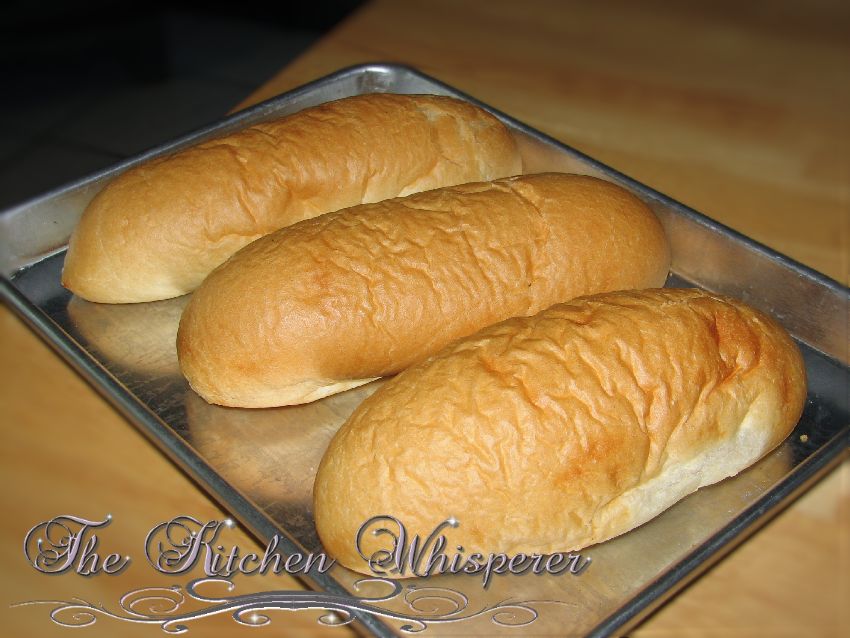
Caramel Pumpkin Dinner Rolls

Caramel Pumpkin Dinner Rolls

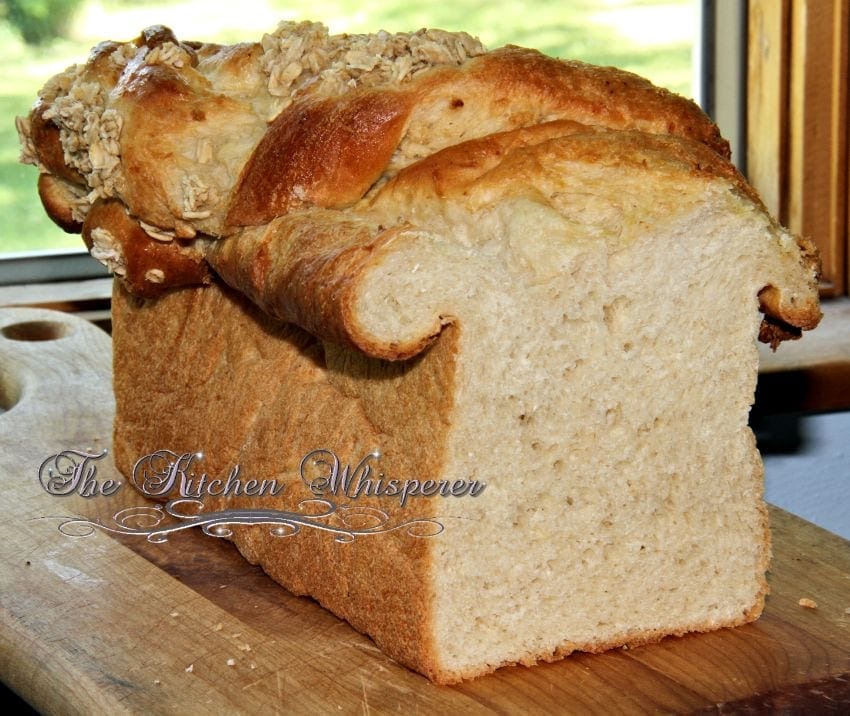
Honey Oat Sandwich Bread

Now get your buns into the kitchen and start baking! Let’s see your breads! Make sure to tag me in your pictures or use hashtag #thekitchenwhisperer so I can see your deliciousness!

Save For Later!

Make it a meal!

Pairs Perfectly With:

  • Artisan Cranberry Pistachio Chocolate Chip Bread

    Artisan Cranberry Pistachio Chocolate Chip Bread

  • The Best No Knead Crusty Bread from scratch

    The Best No Knead Crusty Bread from scratch

  • Perfect Homemade Hand-Tossed Sourdough Pizza

    Perfect Homemade Hand-Tossed Sourdough Pizza

Leave a Reply Cancel reply

Your email address will not be published. Required fields are marked *

12 responses

  1. Jamie Rogers
    May 18, 2025

    THANK YOU AAND YES!
    That is all & god bless 😀

    Reply
  2. Paula
    March 12, 2022

    Yes, but–Procedurally, how do I incorporate the enrichment materials & change the proofing period and temps? For instance, if I were to start with a baguette dough and want to convert half into ciabatta, or began with pizza dough, and want to make a portion of it cinnamon rolls, you get the idea.

    Reply
    1. TKWAdmin
      March 13, 2022

      So this post was to explain just the difference between lean and enriched doughs. Each type of item you describe above uses different measurements and ingredients. Like my pizza dough doesn’t use sugar or dairy like I would in cinnamon rolls. My advice is to make individual recipes.

      Best Kitchen Wishes!

      Reply
  3. Biduba
    June 17, 2021

    Between lean and enhanced loaf, which one has a longer shelves life span

    Reply
    1. TKWAdmin
      June 19, 2021

      Hi! I’m doing some research and testing on this as I’ve honestly never given it a thought. Bread, lean or enriched never lasts long in my house. As soon as I find out, I’ll let you know my findings. Great question!

      Best Kitchen Wishes!

      Reply
  4. Lynn Finkbeiner
    July 22, 2020

    Would zucchini bread be considered rich or lean dough?

    Reply
    1. TKWAdmin
      July 22, 2020

      Hi!

      Great question! No zucchini bread, banana bread and the like are known as “Quick breads”. While they contain fats like an enriched dough would, they do not contain yeast and are technically not a dough but rather a batter.

      There is no proofing involved.

      Best Kitchen Wishes!

      Reply
  5. t krishnan
    October 16, 2019

    why lean breads bake at a higher temperature than enriched breads

    Reply
    1. TKWAdmin
      October 16, 2019

      Lean doughs are lighter so then can handle to the higher temps. Because enriched doughs are heavier, if you try to bake it at a higher temp, the crust would brown, the inside would be raw and you wouldn’t have much height.

      Best Kitchen Wishes!

      Reply
      1. John F O’Leary
        October 17, 2019

        I don’t believe this is strictly the reason – enriched doughs have fat throughout, and since fat has a much lower heat capacity than water, the heat of the oven can do a much better job of penetrating the dough early in the baking process. Lean doughs need to be cooked at a high temperature because the heat has trouble penetrating to the center of the loaf.

        It’s the same reason you coat lean meat like chicken breasts in oil before baking – it helps the heat penetrate more quickly.

        Reply
        1. TKWAdmin
          October 17, 2019

          Thank you for expanding on what I said! My “more stuff in it” was in reference to the fat and dairy thus making it more heavy.

          You’re right. As hard as I do my best, I sometimes don’t think that “more stuff in it” would immediately make folks think “oh, she means fats and so forth.” Thank you for clarifying! I really appreciate it!

          Best Kitchen Wishes!

          Reply
  6. patricia cannin
    September 3, 2019

    I make your artisan no knead bread all the time and I love it

    Reply

Welcome!

I’m Lori, The Kitchen Whisperer®! Let me help you tame the kitchen one bite at a time.

More about Lori

Let’s be friends

  • Facebook
  • Instagram
  • Pinterest
  • X
  • TikTok
  • YouTube

Legend


AF Air Fryer B Base Recipes BBQ BBQ Method FM Freezer Meals IP Instant Pot MP Meal Prep O Oven Method PF Party Foods SC Slow Cooker S Smoker Method

Deliciousness Delivered.

Sign up to receive delicious recipes, kitchen tips and weekly menus (bacon, pizza, & BBQ oh my!) straight to your inbox.

Click to Subscribe
Text: this week's menu

Subscribe for delicious new recipes, kitchen tips & weekly menus

Join the TKW Family

What’s trending on TKW

  • Best Super Soft and Chewy Hoagie Rolls
  • Mom’s Classic Easy Stuffed Cabbage Rolls – The Best Recipe!
  • The Ultimate Slow Baked Boneless Short Ribs Recipe
  • Authentic Belgian Waffle Recipe
  • Best Ever Pork Roast and Sauerkraut
  • The Best Portabella Mushroom Veggie Burgers
  • Easy and Juicy Cornish Game Hens
  • 45 Easy & Delicious Pellet Smoker Recipes
  • Smoked Hot Honey Butter Spatchcock Chicken
Back to Top
Recipe Index
Instagram feed
Contact
Terms & Conditions
Privacy Policy
  • Facebook
  • Instagram
  • Pinterest
  • X
  • TikTok
  • YouTube
  • Amazon