


To help you become a Backyard hero, I’m sharing 21 BBQ Terms you should know!

As someone who’s been grilling, smoking, and BBQing for most of her life, I’m dropping some terms you’ll often hear thrown around.
Whether you’re a seasoned grill or pit master, a part-time griller, or someone who just got their first grill, there are some terms you should know before you fire up your grill.
While there are countless terms, I’m sharing some of the more common ones so you can become the best backyard BBQ master you can be!

Outdoor Cooking Methods
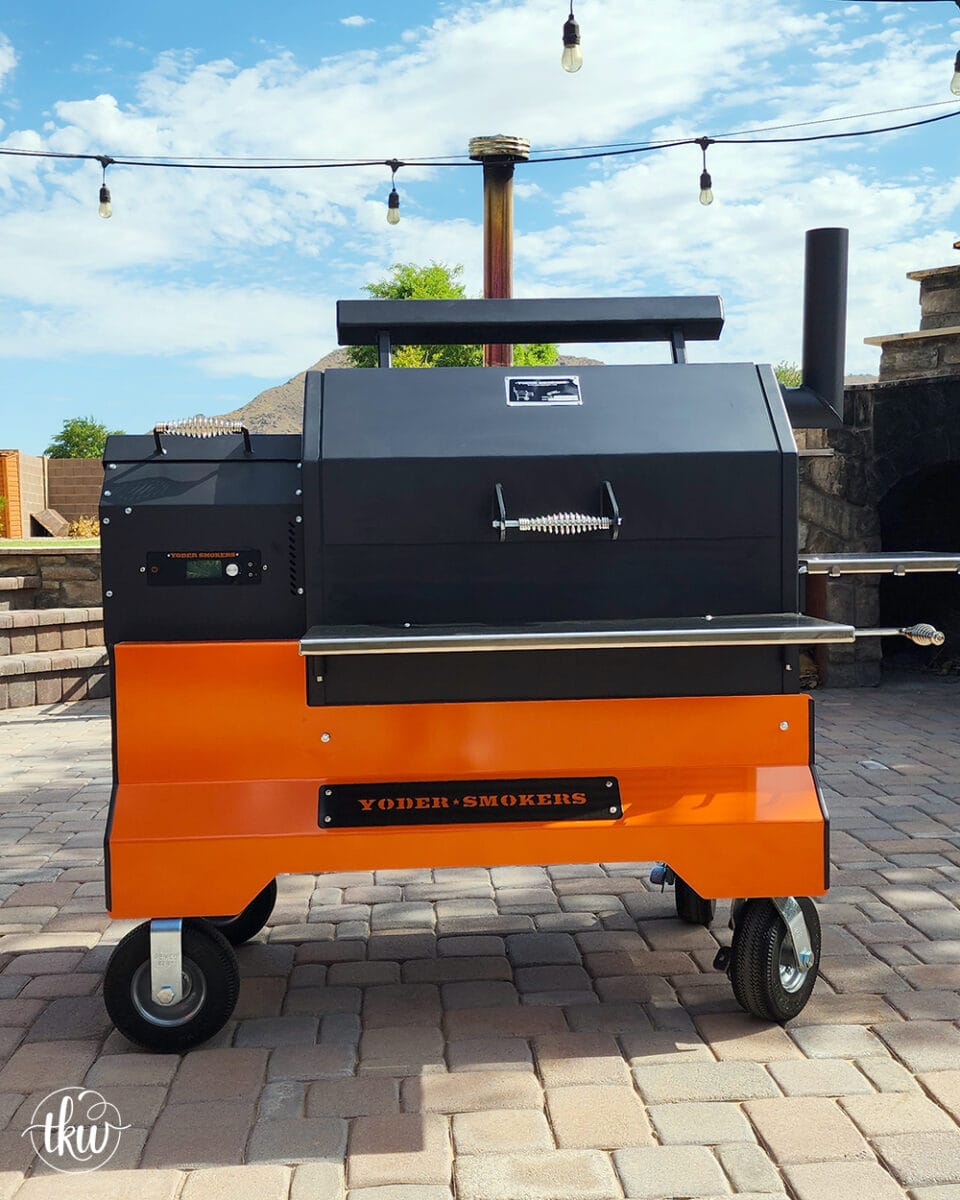
Several cooking methods exist, but I want to cover the top three below. I will also say that out of all the grills and smokers I have, my favorite is my Yoder Smokers Products. My Yoder Smokers YS640 is a grill, a BBQ, and a Smoker—plus, it’s also a pizza oven! For open flame, I will use my Yoder Smokers Flat Top or my Santa Maria (which is not covered in this one).

- Grilling: Grilling is the most common. It’s when your food is exposed to a higher heat where temps are 350°F and above. You’d say this if you were grilling smaller cuts of meat like steaks, chicken breasts, or veggies over an open flame or flame source.
- Barbecuing: BBQing and grilling are not the same. This temperature ranges between 190°F and 300°F. It is more for larger cuts of meat that must cook longer and at a lower temperature. This is done via the indirect heat method. If you’re doing this on a gas grill, you need to think about getting a smoker box, and that kiss of smoke is what we all look for. If you’re doing this with charcoal or a stick burner (all wood), this takes practice and a deeper understanding of controlling your temps over the longer cooks.
- Smoking: This uses smoke from wood chips or pellets to add a kiss of smoke to the food. Plus, you can go at a lower temperature. Naturally, the time does increase due to lower temperatures. For example, pulled pork (without using a crutch) can take over 24 hours. Plus, you can use a smoker to do Cold Smoking, where the temps range from cold ambient temps to < 85°F.
BBQ Food Terms
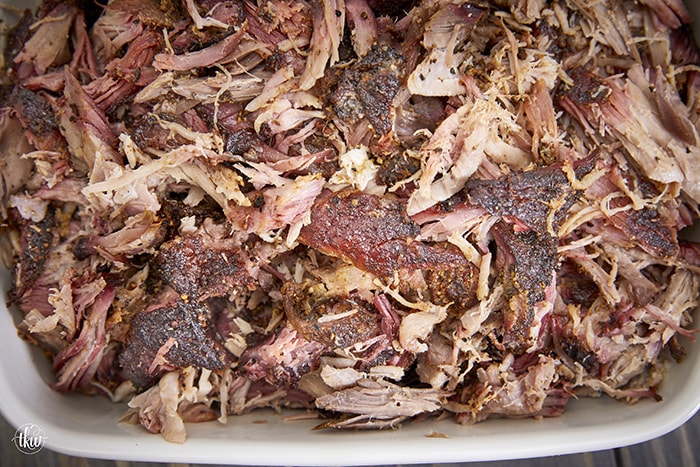
- Bark: This crunchy crust forms outside your meat as it cooks slowly. You’ll tend to find this most often on brisket and pork butt/shoulder.
- Bend: This is often another measurement of doneness. If you have a sliced brisket, you want it to bend over your finger without breaking.
- Brine:
- Dry Brine: You coat your meat with seasonings (salt), place it in the fridge (uncovered) for X amount of time, and then cook it the next day. The dry brine extracts moisture from the meat while pulling in the salt and seasonings from the coating, thus giving it more flavor.
- Wet Brine: You dissolve salt and seasonings in water, add the meat, submerge the meat thoroughly, cover, and place it in the fridge for several hours. The next day, you rinse it off, season it, and cook it. This adds moisture to the meat, helping to keep it more tender.

- Direct Grilling: This is pretty self-explanatory. You put your food on the grates directly above the hot coals/flame, which is how you’d get your sear or grill marks on foods.
- Drip Pan: This foil or metal pan is used to catch juices from food cooking on the grates. The pan helps capture these juices and prevent flare-ups.
- Injection: This is a large needle that you can use to inject liquids, marinades, and other ingredients into your meat before cooking. I use this Meat Injector.
- Indirect Grilling: Indirect heat is just as it sounds: heat cooks your item on the grill, but in an indirect method. Instead of the flames or the heat hitting your whole chicken directly, it cooks around the chicken, similar to your home oven. The heat circulates up and around the food.
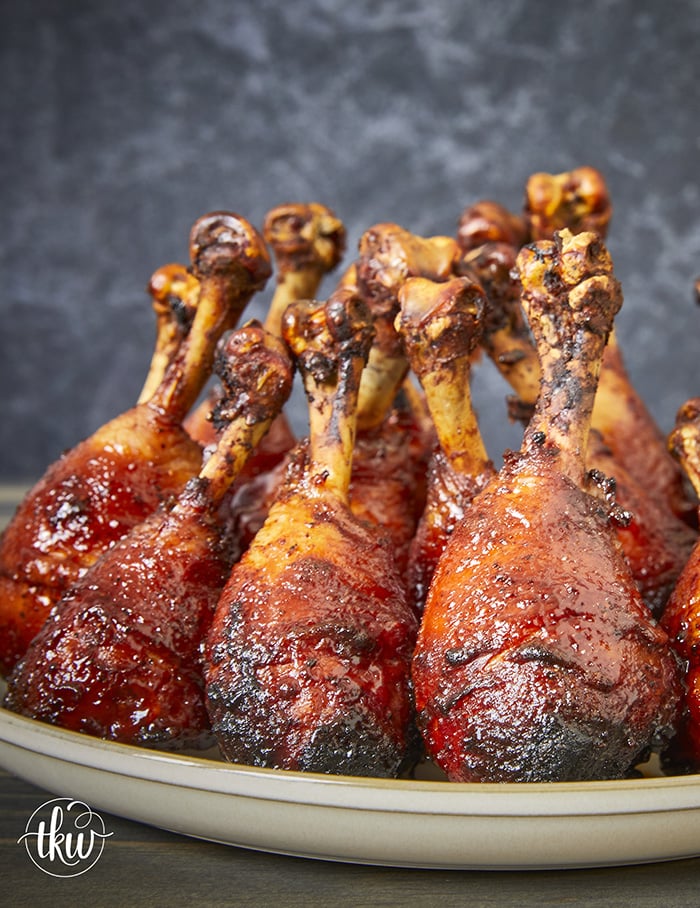
- Lollipop: If you have seen my Lollipop drumstick recipe, you already know what it is. It’s a butchering technique in which you “French” the drumsticks by scraping the meat on the top end of the bone and leaving the ball of meat on the bottom, making them look like lollipops.
- Probe: I use the ones by Meater. This will give you an accurate read on your meat as it cooks, so help ensure it doesn’t overcook.
- Resting: Almost all food should be rested after it is removed from the grill, BBQ, or smoker. All meat is muscle, which consists of proteins, fats, minerals, and water. If you cut your meat without resting it, all of those meat juices will flood out, leaving you with a super dry piece. By allowing it to rest, the meat will recapture its moisture, the meat fibers will relax, and the dissolved proteins can reabsorb that moisture (juices). In the end, you’ll get a juicy, tender bite!

- Reverse Searing: It’s mainly used in steaks or smoked burgers. You cook your meats low and slow until they are about ~10 degrees below your desired doneness. Then, immediately transfer the meat to an open flame or a direct high temperature. This produces that caramelized crust and sear on the outside of the meat.
- Silverskin: It’s a thin, connective tissue membrane that is, well, silverfish in color. It’s tough and chewy, making it pretty much inedible. To remove it, slide the knife tip between the skin and the flesh. Carefully glide the knife along the meat, pulling the silver skin away to discard.

- Smoke Ring: It’s that pink layer right underneath the bark of the smoked meat. It’s caused by a chemical reaction between NO2 in the smoke and the meat’s myoglobin (the protein responsible for its coloring). Some say it’s for aesthetic only; however, seeing a perfect smoke ring shows someone’s level of understanding of effective smoking techniques.
- Stall: It’s our nemesis, to say the least, in the BBQ world. This typically happens between the 150- 165°F mark. It’s COMPLETELY normal. In a nutshell, it’s when you put a large piece of meat on the smoker, and when the meat reaches a specific temperature, it just stops rising. As the temperature of your smoker starts to rise, the moisture in your meat starts to evaporate—eventually, the cooling balances the heat, and the meat just plateaus or stalls.

How to Speed Up Grilling and Smoking Stalls
- TEXAS CRUTCH: When your meat stalls at around 150-165, remove it and double-wrap tightly in aluminum foil. You’re essentially not allowing any moisture to escape. Place it back on the smoker (with the meat thermometer inserted) and allow it to finish cooking until it reaches 195- 200°F. I’m not a fan of this either; you’re losing all that fantastic bark you worked so hard to get.
- BUTCHER PAPER: Just like the Texas Crutch, you’re going to use BBQ Pink Butcher Paper this time. This is porous, which means smoke can still permeate through, and it will help with the stall. However, it could stall again, but it shouldn’t last long. Again, this is better than the Texas Crutch, but it can make the bark a tad softer than I like.

Looking For More TKW Family Favorite BBQ and Smoking Recipes?

Smoky Blistered Shishito Peppers Recipe

Mastering the Art of Smoked Pork Butt: My Secrets To The Best Fall-Apart Pork!

Seriously The Best Smoked Brisket Burgers
If you crave a juicy and crispy burger, I got you! Smoking ground brisket combined with a reverse sear method makes for the most amazing burger you’ll ever have!

The Best BBQ Brisket Smoked Individual Meatloaves

Spatchcock Smoked Cherry Habanero Turkey

Smoked Crab Meat Stuffed Shrimp

Fire up the Flavor with Grilled BBQ Chicken Lollipops
Chicken Lollipops are a delicious, flavorful, and fun-to-eat twist on classic grilled chicken! Fire up the grill today and elevate your BBQ game with flame-kissed BBQ chicken lollipops.

How to Smoke Spatchcock Turkey




Leave a Reply